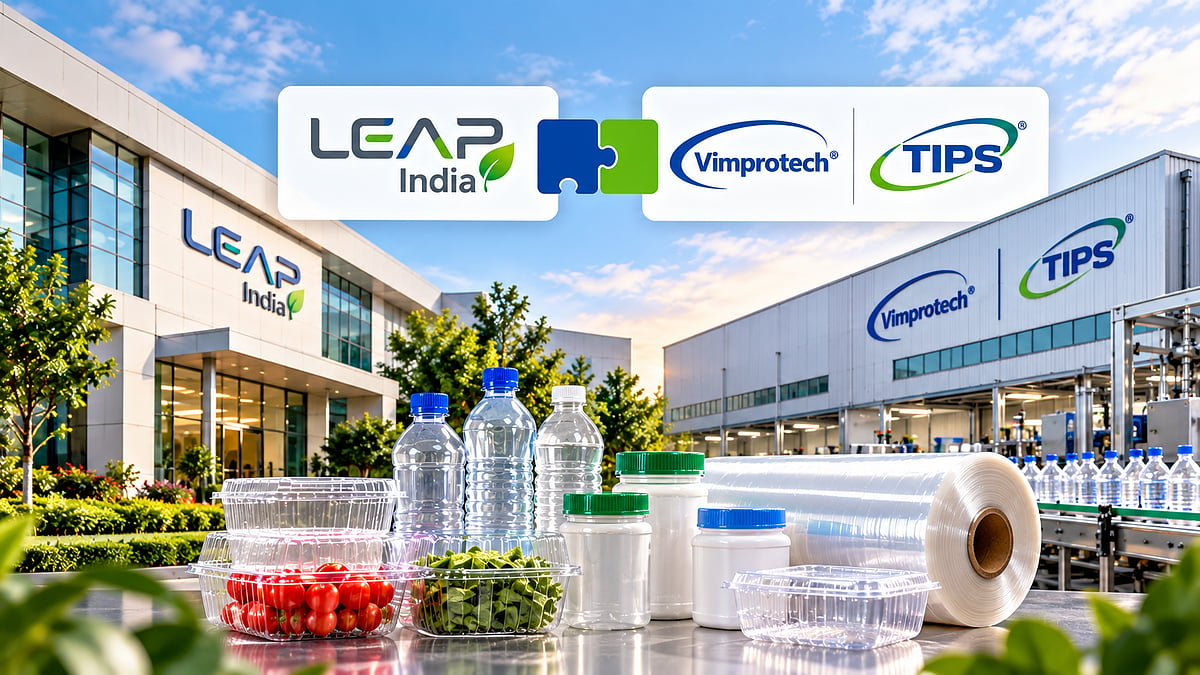
LEAP India's subsidiaries have signed deals to buy the Vimprotech business for ₹102 crore and Total International Packaging Solutions for ₹40 crore, both in cash and paid in tranches. Vimprotech makes vacuum-formed, thermoformed and injection-moulded packaging.
Plastic products maker Supreme Industries reported a 59.3% rise in consolidated profit to Rs 262.44 crore for the September quarter, on revenue up 40.41% to Rs 3,361.27 crore. Plastic piping led the growth. The company declared a Rs 12 interim dividend and expects about 10% volume growth this year.
Garware Hi-Tech Films posted Q2 FY27 revenue of Rs 696 crore, up 22%, which management called its highest ever quarter. EBITDA rose 42% to Rs 189 crore at a 27.2% margin. Management then raised its full-year margin guidance by 200 basis points. Polyester film is having a good year.
Huhtamaki India's revenue rose 23.1% to ₹768.84 crore in the September quarter, while net profit fell 19.1% to ₹29.73 crore. Material costs cut the EBITDA margin to 7.77% from 8.88%, and a ₹9.60 crore exceptional loss did the rest. More packs went out the door, with less left over.
South African plastic, paper and packaging maker Transpaco says the country's illicit economy puts legitimate manufacturers at a disadvantage. Chair Derek Thomas pointed to reported leakage in the plastic bag levy system and said regulation is only effective when it is fairly and consistently enforced. The levy dates to 2004.
An opinion piece in Resource Recycling argues that packaging is part of the healthcare supply chain, protecting medical products from contamination, moisture, oxygen and light. The writer says flexible packaging has a role there, and that healthcare packaging must balance strict safety requirements with growing expectations on waste reduction.
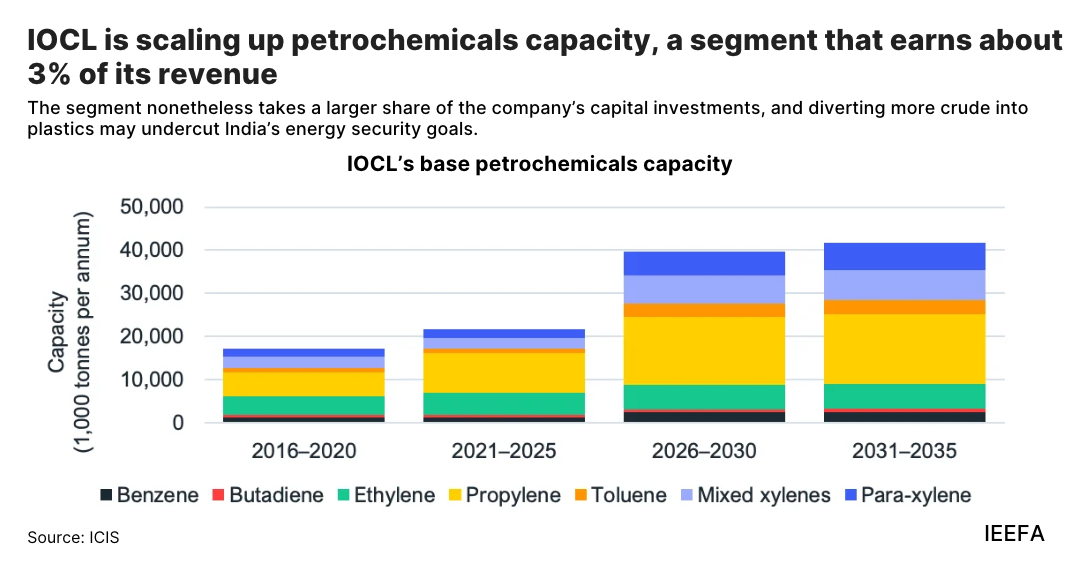
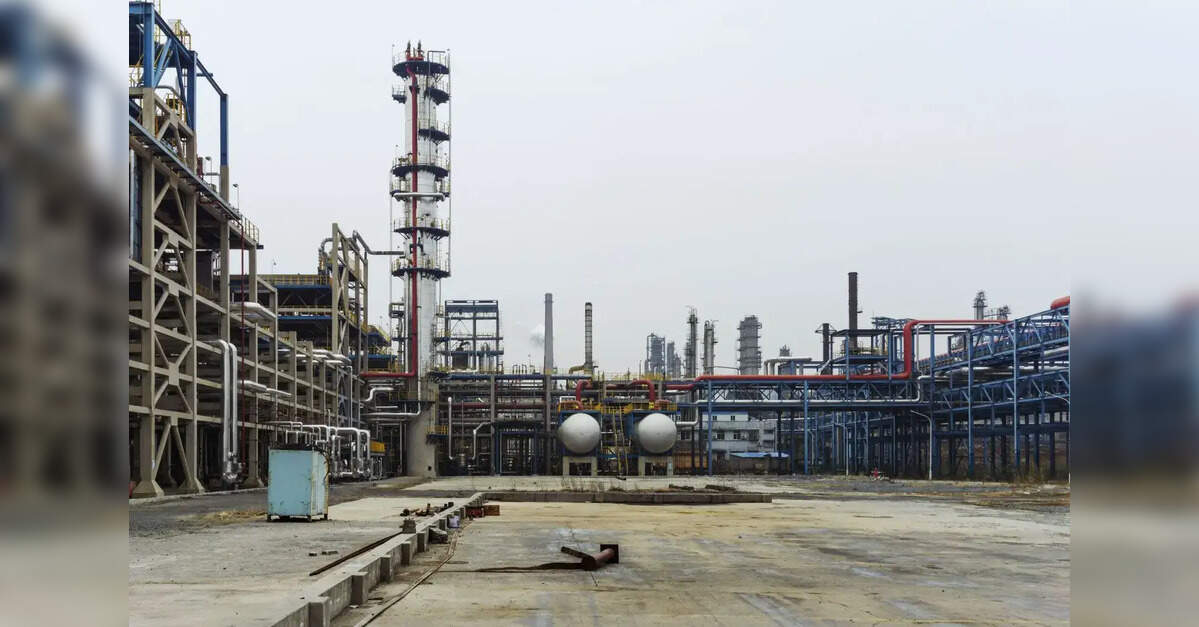
IEEFA says petrochemicals make up about 3% of Indian Oil's revenue but take a larger share of its capital. IOCL is adding capacity while global markets face oversupply and weak margins, and high crude and naphtha prices have narrowed the gap between feedstock costs and polymer selling prices.
South Korea's petrochemical producers are shifting away from bulk commodity plastics toward speciality materials, as oversupply, weak margins and stronger Chinese competition squeeze the old volume-led model, according to Spherical Insights. Producers now have to defend market share while building businesses that are less exposed to price wars.
Recycled PET, PE and PP markets showed uneven trends in October, PlasticsToday reports, with tightening feedstock, cautious buying and export demand shaping bale and pellet prices. Anyone hoping for a single direction on the recycled resin chart this month will have to wait for November.
BASF has raised its takeover offer for Evonik to about €24 a share from €22.15, valuing the speciality chemicals maker at around €11.18 billion, according to reports. Evonik rejected the first offer in September as too low. Neither Evonik nor the RAG Foundation, its 43% shareholder, has commented.
Coca-Cola has asked the Chhatrapati Sambhajinagar municipal corporation for permission to collect and process used water and soft drink bottles in the city. Separately, a Pune-based company has installed a demonstration bottle shredder at civic headquarters and asked for space to put similar machines at 100 locations.
Polysmart Packaging in Mowe, Ogun State, says it will commission the first phase of its expanded food-grade rPET plant this week, built to process up to 100,000 tonnes of used PET bottles a year. It puts that at 6.5 billion bottles. The company says results will depend on waste collection.
Dutch company Bio BTX has secured €20.8 million from the EU Innovation Fund for a chemical recycling plant at the Delfzijl chemical park. It will process about 20,000 tonnes a year of mixed plastic waste unsuitable for mechanical recycling. Construction starts in early 2027, with commissioning planned for mid-2028.
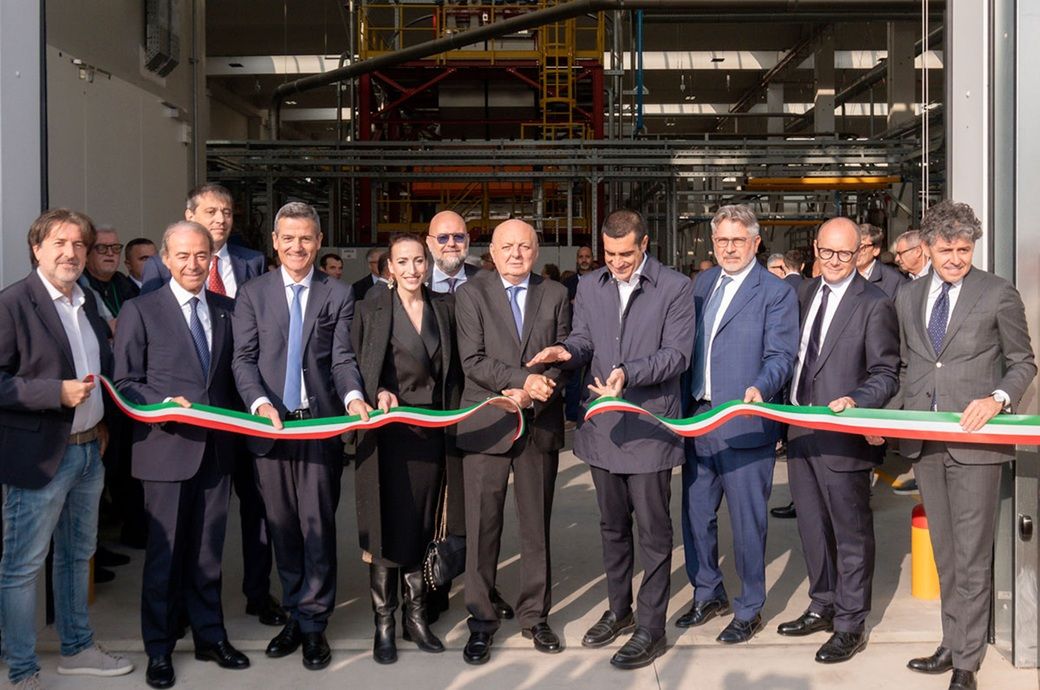
Italy's Aliplast has formally opened R3GID, a rigid plastics recycling plant in Modena that can turn out up to 30,000 tonnes of recycled polymers a year at over 99% certified purity. The €48.8 million plant has already been running for several months. The minister came for the opening anyway.
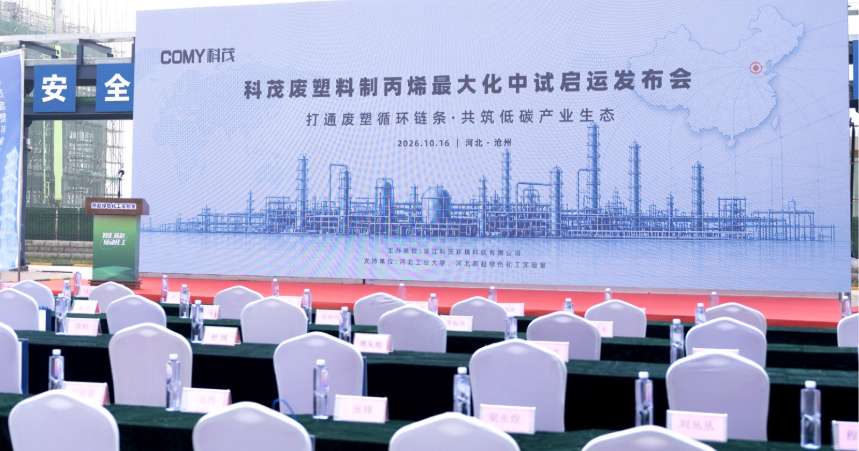
Zhejiang COMY Environmental Technology has launched a pilot in Cangzhou, Hebei, that turns mixed waste plastics into propylene. The company says its process handles contaminated polyolefins without intensive pre-washing, which matches what plastic waste actually looks like. Its press release describes the output as virgin-equivalent.
Aldi and Pact Group will make more than 19 million laundry and household cleaning bottles a year with up to 50% Australian recycled plastic, using almost 800 tonnes of local resin. The feedstock includes empty milk, shampoo and detergent bottles from kerbside bins. The bottles go back to being bottles.
Charter Next Generation reports a 30% year-over-year increase in its use of post-consumer recycled resin in films. A sustainability VP told Packaging Dive that food-grade PCR is possible, and also 'one of the most challenging applications.' Both of those statements can be true at the same time.
A UNU-MERIT blog says the Netherlands has lost three million tonnes of plastic recycling capacity. Brand owners pay for the collection and recycling of plastic packaging but hesitate to use the recycled material, which costs a little more and is often lower in quality. Paying was the easy part.
ETH Zurich researchers have developed a way to break acrylic glass down almost entirely into its chemical building blocks, without solvents or large amounts of heat. Professor Athina Anastasaki's team had earlier shown this depolymerisation worked only under specific conditions. Plexiglas may finally get a second life.
Herma's self-adhesive materials division says it is likely the first supplier certified for labels that fully release from rigid PP packaging during cold-water washing. The cyclos-HTP certificates cover six PP films and one PE film. Cleaner label removal means cleaner recyclate. The label now leaves quietly, as requested.
Delhi is considering a deposit refund scheme in which buyers pay an extra Re 1 or Rs 2 per plastic bottle and get it back on return, The Indian Express reports. It may start as a pilot at tourist spots. Goa and Uttarakhand already run similar schemes.
Mint explains India's deposit return schemes. Manufacturers register products and assign QR codes to packaging, and consumers pay a refundable deposit on top of the MRP. Goa already runs one, while Uttarakhand and Himachal Pradesh are finalising statewide frameworks covering plastic and glass bottles, including liquor bottles.
The European Commission has pushed the deadline for harmonised packaging labels under the PPWR to the second quarter of 2027 and will hold a public consultation. The On Pack Recycling Label welcomed the consultation but warned that producers face challenges updating label designs. The rules about labels are late.
The Gujarat Pollution Control Board plans eco-friendly prasad packaging at Ambaji temple, replacing plastic boxes and avoiding about 135.6 tonnes of plastic waste a year. NID Ahmedabad designed the alternatives, including moulded containers made from sugarcane bagasse. Somnath temple made a similar switch in September.
The European Commission has opened a public consultation on the role of bio-based plastics in EU packaging policy, as part of its review under Article 8 of the PPWR. Stakeholders have until 13 January 2027 to submit evidence. Bio-based plastics now have a deadline before they have a target.
A Korea International Trade Association survey of 610 exporters found that more than two months after the EU's packaging regulation took effect, eight in 10 did not properly understand the rules. Only 16.7% had checked whether the rules applied to their own products. Passing on costs is hard too.
Korea Business Review warns South Korean exporters not to ease off on EU packaging rules. The EU Council's 21 October position would ease the duty for some producers to appoint an EPR authorised representative, it notes, which is different from abolishing the obligations. A proposal is still a proposal.
The industry body behind a deposit return scheme due to launch in October 2027 has opened a registration portal, and tens of thousands of drinks businesses must sign up. The first phase asks only for core details, with a second stage opening in January. Retailers may qualify for exemptions.
Extended producer responsibility laws across Latin America are pushing packaging design toward recyclability and recycled content, Packaging Insights reports. Companies are reassessing multilayer formats and monomaterial structures as fees evolve, and experts say EPR is driving investment in reverse logistics. The package now has to plan its own retirement.
A draft analysis for Rhode Island's Department of Environmental Management suggests that adopting a bottle bill and an extended producer responsibility program together may be the smart way to lift recycling rates. Consultancy RRS studied five scenarios for the state. The draft is now open for public comment.
A letsrecycle.com opinion piece says RAM 2027, the recycling assessment methodology PackUK uses to set eco-modulated fees under UK packaging EPR, came as a big surprise to many in the industry. The writer supports EPR and fee eco-modulation in principle, then questions how RAM 2027 was developed.
Guinea began enforcing its ban on single-use plastics on 20 September, then lifted it less than three weeks later. Plastic water sachets are an essential way of providing safe and affordable drinking water there, and no alternative was ready. The ban stays lifted until a solution is found.
Coca-Cola, Nestlé and Danone will revise recycling claims on their packaging across European markets after a complaint from consumer group BEUC and 13 member groups. The complaint said claims such as '100% recyclable' failed to make clear that caps and labels were excluded. The cap was not in the hundred.
US President Donald Trump has signed a proclamation changing which Canadian products face Section 338 tariffs. Certain packing crates and boxes, plywood sheets and some paper products come off the list, while certain valves, carpets and waste products are added. The changes take effect on 30 October 2026.
After five years of mandatory EPR in South Africa, paper packaging body Fibre Circle says producers should move from a compliance-only mindset toward measurable environmental progress. One tool is the lifecycle assessment, under guidelines developed by the CSIR. Fibre Circle stresses that an LCA is more than a data exercise.
Corrugated and paperboard box makers in Ludhiana say months of pending GST refunds have left about 600 units short of working capital. Cartons attract 5% GST while kraft paper, duplex and paperboard are taxed at 18%. The box is taxed less than the paper it is made from.
Seshasayee Paper's September quarter revenue rose 45.3% to ₹503.06 crore and net profit nearly doubled to ₹42.31 crore, Trade Brains reports. The company makes printing and writing paper and supplies sectors including packaging. Its shares rose 7.76% to Rs 212.95 on Monday after the results.
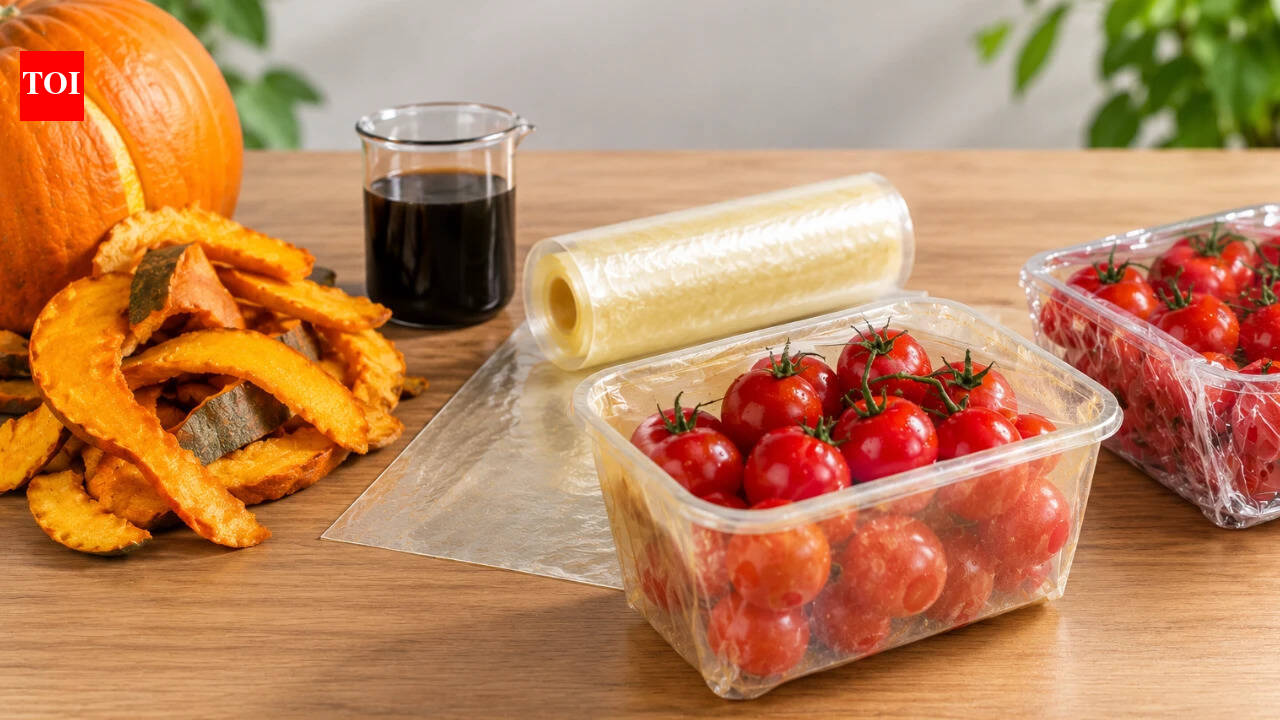
Researchers made a biodegradable packaging film from carbon quantum dots extracted from discarded pumpkin peels, mixed with carboxymethyl cellulose and gelatin. In a 20-day test published in Food Research International, the film slowed spoilage in tomatoes. One vegetable's waste is now another vegetable's packaging.
Shabari Naturals, a Maharashtra government initiative that sells products from tribal communities and forest gatherers, has won a G-Mark Global Design Award for packaging inspired by traditional art forms. Prime Minister Narendra Modi highlighted the award in his Mann Ki Baat radio broadcast on Sunday.
Edybites, a Mumbai startup, makes edible millet spoons meant to replace single-use plastic cutlery. Its founder failed 88 times before getting the spoon right, The Better India reports. At one Ganpati gathering, guests were told to hold on to their spoons after lunch, because the spoon was dessert.
Naz Ozaier, an engineer from Muzaffarpur district in Bihar, has developed tea cups, plates, bowls, straws and bags made from discarded corn husks as an alternative to single-use plastic. The products give agricultural waste a commercial use. The husk used to be thrown away, and now it holds the tea.
A South Korean government-commissioned study found paper straws scored 6.33 times higher than plastic straws on a modelled carcinogenic impact measure across their life cycle. That measures emissions from production to disposal, not the risk of drinking through one. The straw debate now has a new spreadsheet.
Hydropac has launched EcoCool, an insulated box liner for cold chain goods made from clean, unused cardboard cutoffs. The company says it is made in a dry process on renewable electricity with no added glue or water, and that it is kerbside recyclable. Cardboard now keeps things cold.
New EcoFocus research released by the Glass Packaging Institute found that 64% of 4,046 US adults surveyed wish more foods and beverages came in glass jars or bottles, rising to 73% among organic buyers. Sixty percent expect natural and organic brands to use glass. The institute agreed with its findings.
Visy has produced its first glass bottles at its new recycling and manufacturing facility in Yatala, Queensland. At full operation it will make up to one billion bottles and jars a year, averaging 70% recycled content. After four years of building, CEO Mark De Wit said, 'it's making glass.'
Anchor Glass Container Corporation has permanently closed its plant in Warner Robins, Georgia, which made glass containers for food and beverage companies. Company filings say all 168 jobs are affected. Production stopped in August, and the first separations were scheduled for 17 October, with more to follow.
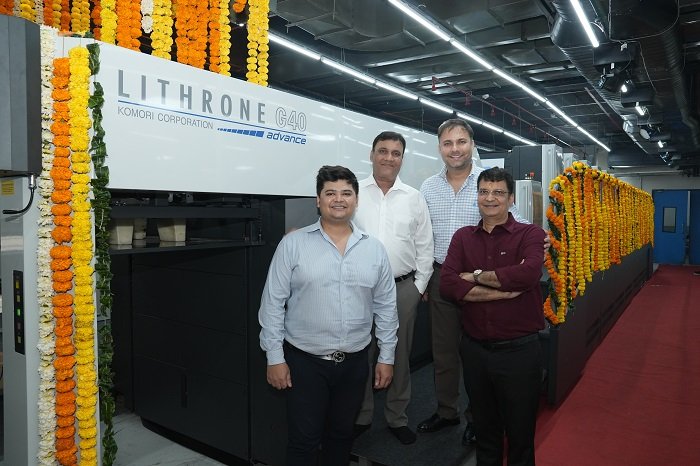
Indore carton maker Vijayshri Packaging has installed its fifth Komori press, a GL-640 Advance six-colour sheetfed offset machine with coater, to raise capacity. It already runs Komori presses bought in 2021, 2022 and 2024, plus an older Lithrone. Brand loyalty in printing is measured in presses.
Digital label printing is moving from a short-run option to a growth engine for Indian converters, Packaging South Asia reports, driven by FMCG, direct-to-consumer brands, craft spirits, pharmaceuticals and cosmetics. Brands want more SKUs in smaller volumes with rapid turnarounds, and traditional plate setups can take days.
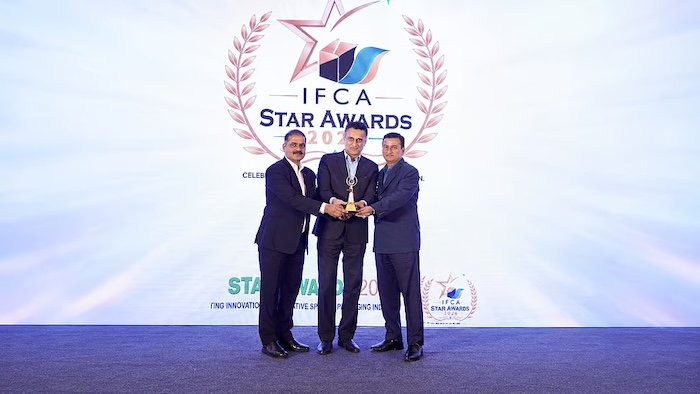
Toyo Ink India has won the IFCA Star Award 2026 in the Innovations in Ink category from the Indian Flexible Packaging and Folding Carton Association. The winning products are JW252, a water-based gravure ink for retort packs, and HW870, a water-based CI flexo ink. The ceremony was in Mumbai.
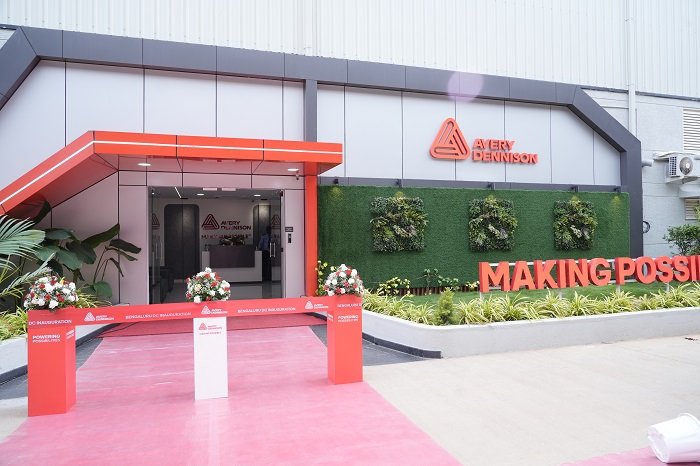
Avery Dennison South Asia has opened a new distribution centre in Bengaluru. It follows a Greater Noida plant commissioned in 2022, which doubled its pressure-sensitive label capacity, and its first Indian RFID inlay and label facility in Pune in 2025. General manager Saurabh Agarwal called India strategically important.
Bangladesh's packaging and accessories sector needs 20,000 to 50,000 skilled professionals and cannot find them locally, said BPAMEA president Mohammad Shahriar. Firms are hiring from Sri Lanka, India and China. He said Bangladesh's share of the global packaging market remains negligible despite enormous opportunities.
Signode has expanded its range of autonomous mobile robots that move palletised loads through factories and warehouses, including lifting robots, pallet trucks and forklifts. 'End-of-line automation doesn't stop once a product has been packaged and palletized,' said vice president Shawn Semer. The pallet now has a chauffeur.
Bakeries short on staff are turning to more intuitive digital controls on cookie packaging lines, Baking Business reports. Formost Fuji president Dennis Gunnell said digital tools let less experienced operators run equipment, and AI can make training materials easier to follow. Turnover, the article concedes, will continue.
Domino Printing Sciences has launched a range of MEK-free, low-VOC inks for its Ax-Series continuous inkjet printers, including the new Ax560i. The company says drying times come close to MEK-based inks, easing the compliance burden for manufacturers trying to cut back on the solvent.
Orion has launched PRINTEX chroma 450 BEADS, a high-jetness carbon black for engineered plastics that balances jetness with surface smoothness. It has EU food-contact approval and is made at Orion's ISCC PLUS certified plant in Cologne. Jetness, for the record, is how black the black is.
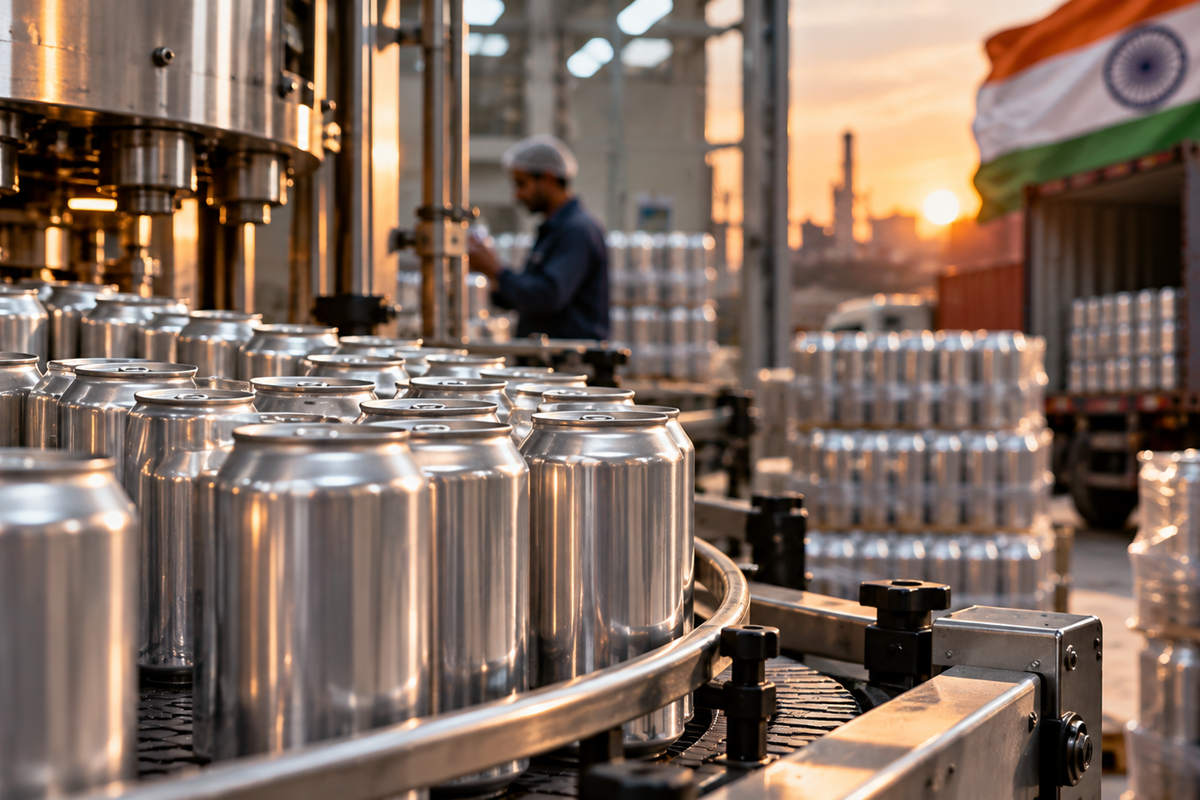
India's aluminium beverage can makers are about 300 million cans short of planned extra production, AL Circle reports. The government has moved the mandatory BIS certification deadline for cans into 2027, starting 1 April for large enterprises and later for smaller ones. Summer, however, has kept its original date.
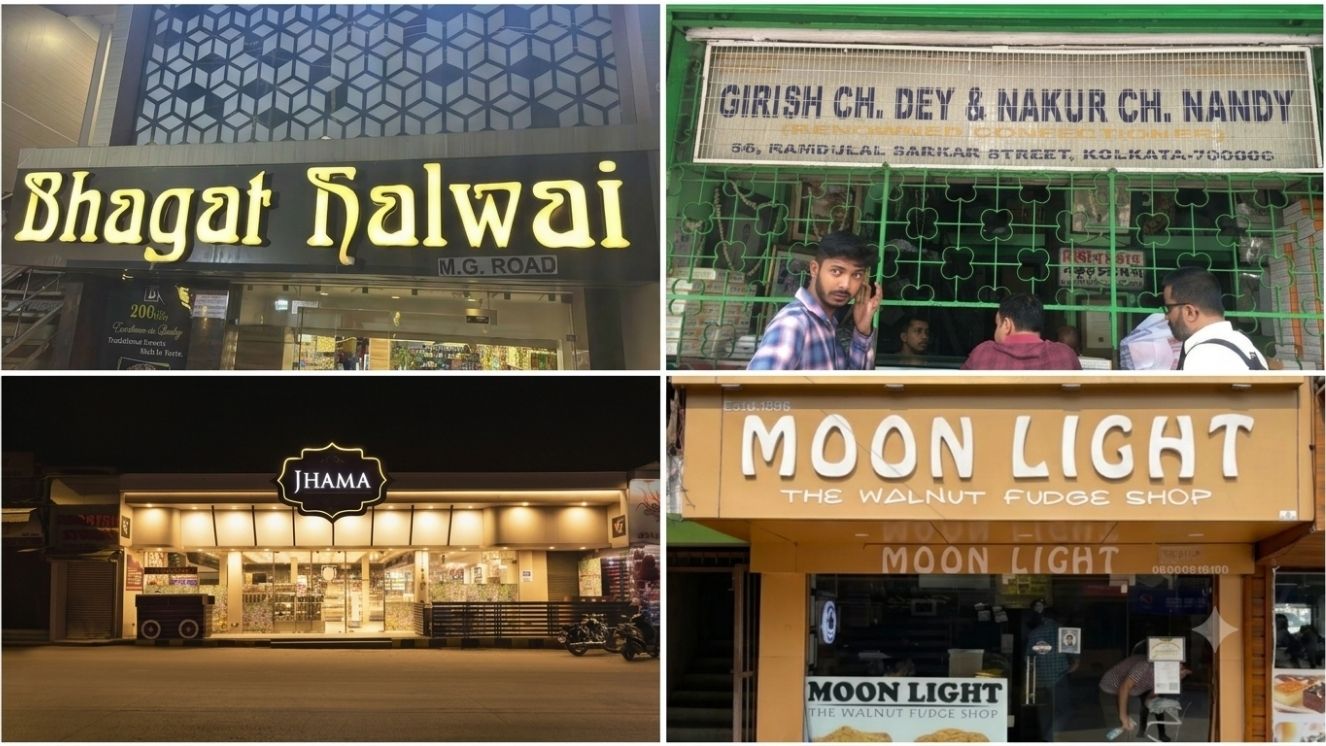
The Financial Express looks at how iconic sweet shops carry India's food heritage in the mithai box, from Varanasi's Shree Rajbandhu, dating to 1887, to Kolkata's Chittaranjan Mistanna Bhandar, established in 1907. Recipes are handed down through generations, and so is loyalty to the box.
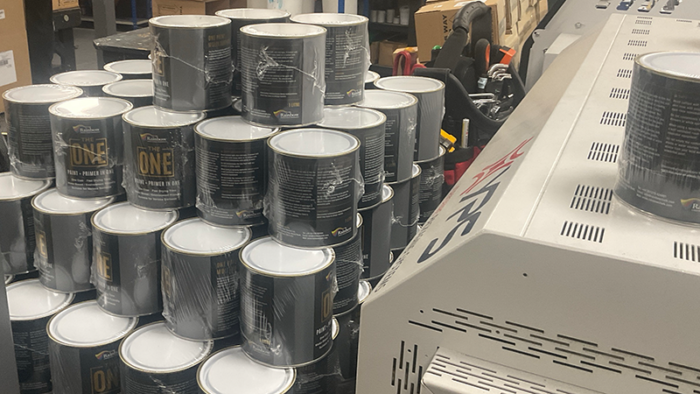
Rainbow Chalk Markers, maker of Rubio Monocoat wood oil, has installed a fully automated packing line from Yorkshire Packaging Systems. Amazon requires liquids to be fully wrapped before dispatch. 'Our growing online sales were putting a strain on our manual packing operation,' said Richard Geddes, managing director for paint.
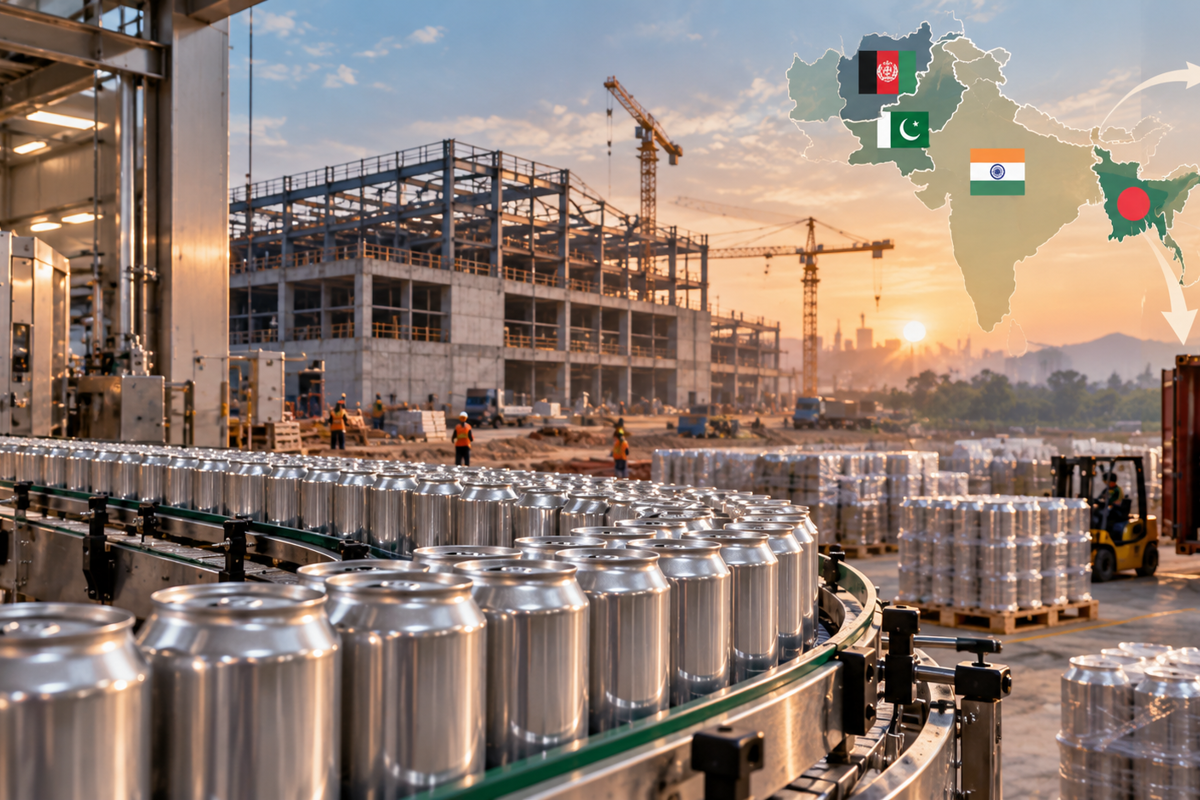
Chinese-owned Alu Hi-Tech Industries is building Bangladesh's first aluminium beverage can plant, a $100 million project at Kaliakoir Hi-Tech Park in Gazipur. It is designed to make about one billion cans a year, with about 90% for export. It still needs a gas connection before production starts.
Woods Distribution, a Fort Worth logistics provider, is pitching co-packing, kitting and labelling inside its warehouses so consumer brands can skip the truck trip to a separate co-packer. 'Every time a pallet gets loaded onto a truck, there is cost and there is risk,' said sales director Will Scherer.
Sainsbury's and Argos are recalling three TU tote bags after the Office for Product Safety and Standards flagged a serious chemical risk from phthalates, which may harm children's health. The bags do not meet REACH requirements. Customers should stop using them and return them for a full refund.
BLS Polymers' Rs 255 crore IPO drew bids for 1.3 times the shares on offer by 11 am on 27 October, its opening day. Non-institutional investors bid 2.03 times and retail investors 1.77 times. The price band is Rs 142 to 150, with a grey market premium of around 27%.
Silgan and funds affiliated with American Industrial Partners will buy Trivium Packaging in an all-cash deal valued at about $3.4 billion. Trivium will combine with Silgan's metal containers and closures businesses in a $7.3 billion aluminium packaging company, 60% owned by Silgan and 40% by AIP.
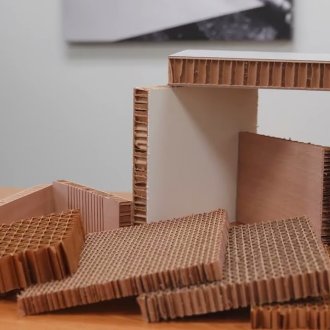
Tricel Honeycomb of Gurnee, Illinois, has acquired the Verticel manufacturing operations, brand and customer list from Hexacomb, a division of Packaging Corporation of America. The deal closed on 1 October. Vertical paper honeycomb ends up in car load floors and boat bulkheads, a long way from the box.
ACR, a portfolio company of Oridian Capital Partners, has bought Ultra Green Packaging of Mound, Minnesota, which supplies molded fiber packaging and rPET lids for take-and-bake pizza trays, sushi trays and bakeware. Terms were not disclosed. It is ACR's twelfth add-on acquisition since Oridian invested.
Mason Wells has acquired Canworks, which prints directly onto aluminium cans for beverage brands in categories from energy drinks and craft beer to kombucha. The founders and management keep a stake. Canworks sells to brands and co-packers directly, and through broker and distributor partners.
Turkish corrosion prevention company Desi Kimya has acquired Technology Packaging of Middlesex, whose TechCorro brand protects metal components from corrosion in storage and transport. The deal gives Technology Packaging access to Desi Kimya's TRUGUARD protective packaging range, and Desi Kimya a UK customer base among foundries and forges.
Packaging, plastics and converting roles in India first, then global, checked today. Every listing links to the original posting. Bring your own bubble wrap.
Packaging and recycling conferences coming up, each checked against its own page this morning. Trade fairs and expos are paid listings only.
India
Tue 15 Dec 2026PACK.Nxt 2026Mumbai · In personOne-day packaging forum on recycled content, recyclable design and pharma QR codes ahead of 2027 rules.Official page