BetaKit
Two cleantech advocates tell BetaKit that greening Canada's data centre boom starts with the buildings and the vast amounts of concrete they use, so lower carbon concrete can reduce emissions before a facility is even switched on.
Read more at BetaKit →Archinect
ETH Zurich researcher Karen Antorveza Paez has developed two digital fabrication methods in which Sporosarcina pasteurii bacteria produce limestone that binds sand into solid architectural elements, a possible alternative to cement based construction.
Read more at Archinect →Archinect
Researchers at RMIT University led by Baohua Jia and Nic Bao made a 3D printing filament from spent coffee grounds and biodegradable polymers, and tested it in a modular installation shown at Melbourne Design Week.
Read more at Archinect →Dezeen
Burgundy bricks that incorporate reclaimed manufacturing waste wrap Princeton University's Frist Health Centre in New Jersey. Called Ponderosa Western, they are part of North American manufacturer Glen-Gery's Western Series, shown in a Dezeen video carousel.
Read more at Dezeen →designboom
Yvonne Mak's fortress of sandbag shaped modules floats in the Dommel river beside Eindhoven's Van Abbemuseum, displaying more than ten emerging lower carbon concrete formulations as a live, public material study.
Read more at designboom →Wood Central
LoüTeq founder Luke Schüette says the 200 ft LouTower, billed as the world's first observation tower made of structurally engineered bamboo, would be the centrepiece of a 100 acre park and innovation district proposed for the St Louis riverfront.
Read more at Wood Central →AgroSpectrum India
The Asian Development Bank approved a $42.2 million facility to develop the bamboo industry in India's northeastern states, supporting community projects to grow, use and manage bamboo, strengthening livelihoods and reducing imports.
Read more at AgroSpectrum India →Architecture Today
Rammed Earth Consulting director Rowland Keable argues that earth is one of the most abundant and overlooked construction materials, showing how local clay and soil can create durable, adaptable and genuinely circular buildings.
Read more at Architecture Today →Yahoo Finance
At Groundbreak 2026, Procore announced the next phase of its NVIDIA collaboration, adding digital twin capabilities to help construction teams spot risks earlier, simulate real world conditions and protect schedules on complex projects.
Read more at Yahoo Finance →AEC Magazine
AEC Magazine talks to Revizto chief product officer Marc Schuetz about the platform's new Model Context Protocol server, packaged with reusable Claude skills based on what project teams actually do, to get more value from BIM data.
Read more at AEC Magazine →Construction Dive
Construction project information software company Newforma has acquired Lumi AI. Construction Dive reports that Newforma will incorporate Lumi into its technology and bolster Lumi's offering with Newforma's own proprietary data, built up over decades of customer interaction.
Read more at Construction Dive →Building Design and Construction
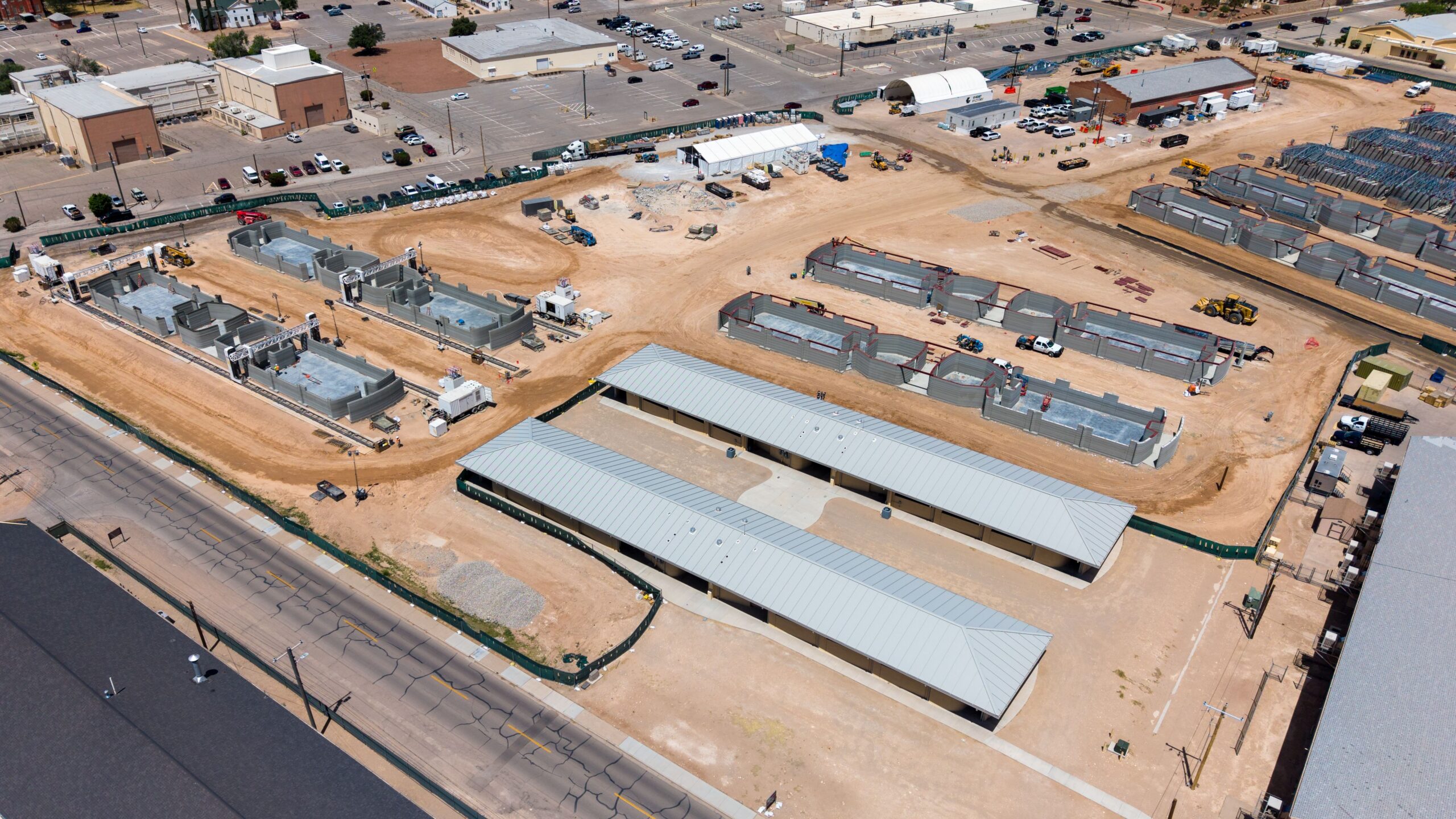
Cleora, a 55 acre development in Salida, Colorado, is set to become one of the world's largest planned 3D printed residential communities, built by contractor True North with RIC Robotics and delivering single family homes, duplexes and accessory units.
Read more at Building Design and Construction →3Dnatives
Holy Trinity Church and the Cardinal Josef Beran Community Center in Neratovice, Czech Republic, are under construction with a 3D printed nave, tower and rectory, and are expected to open in 2028.
Read more at 3Dnatives →The Times of India
The centuries old Japanese technique of shou sugi ban, charring timber siding to protect it from the elements, is giving modern American homes dark, striking exteriors, Realtor reports, highlighting five homes that use it.
Read more at The Times of India →